

Trauma Physician Reveals the Medical Reality of 'Brain Rot' and How to Fight Back
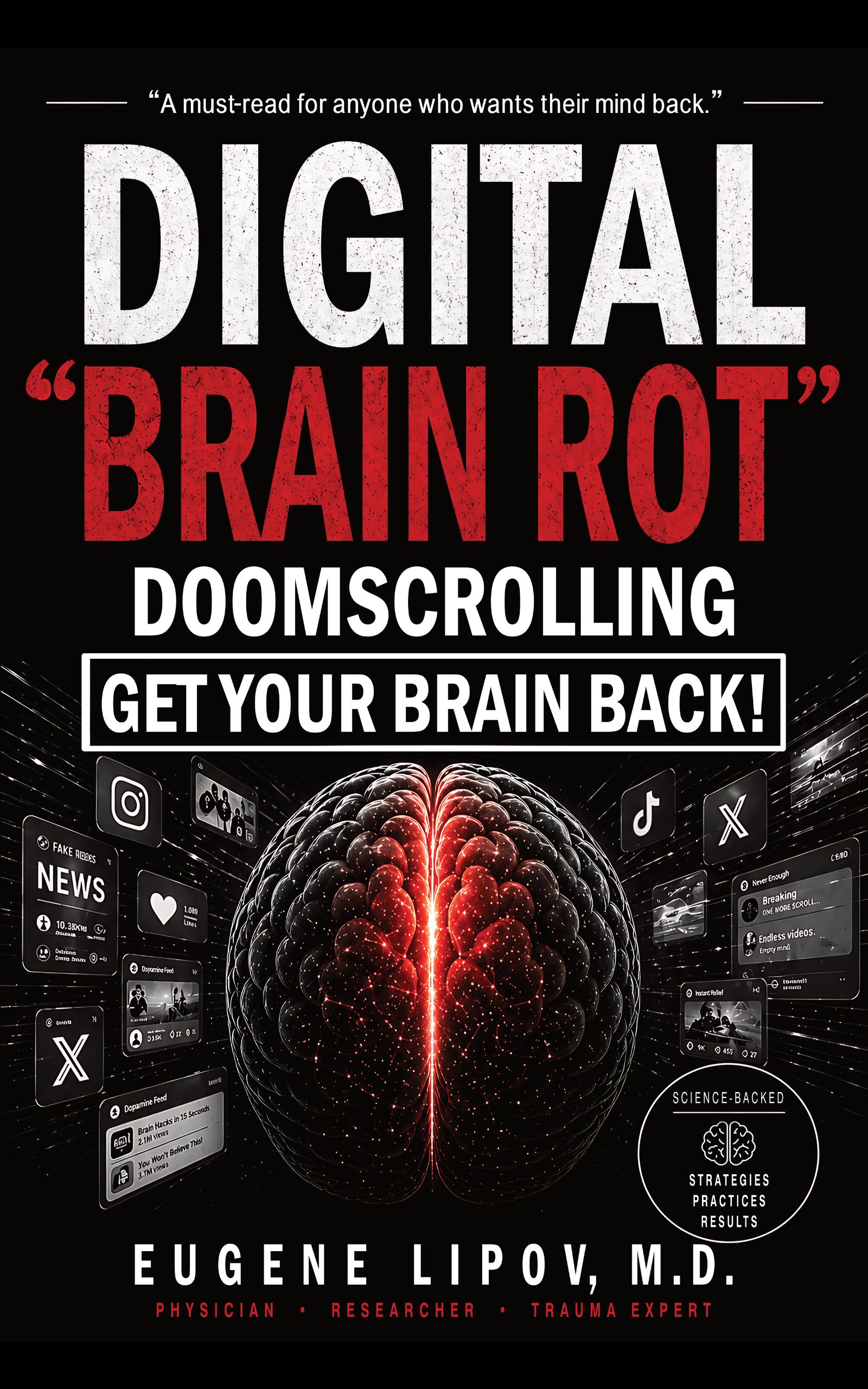
Image Caption: The cover of Digital “Brain Rot”: Doomscrolling—Get Your Brain Back! by Eugene Lipov, M.D., explores how chronic digital overexposure may affect the brain—and presents science-backed strategies for reclaiming attention, sleep, and mental we
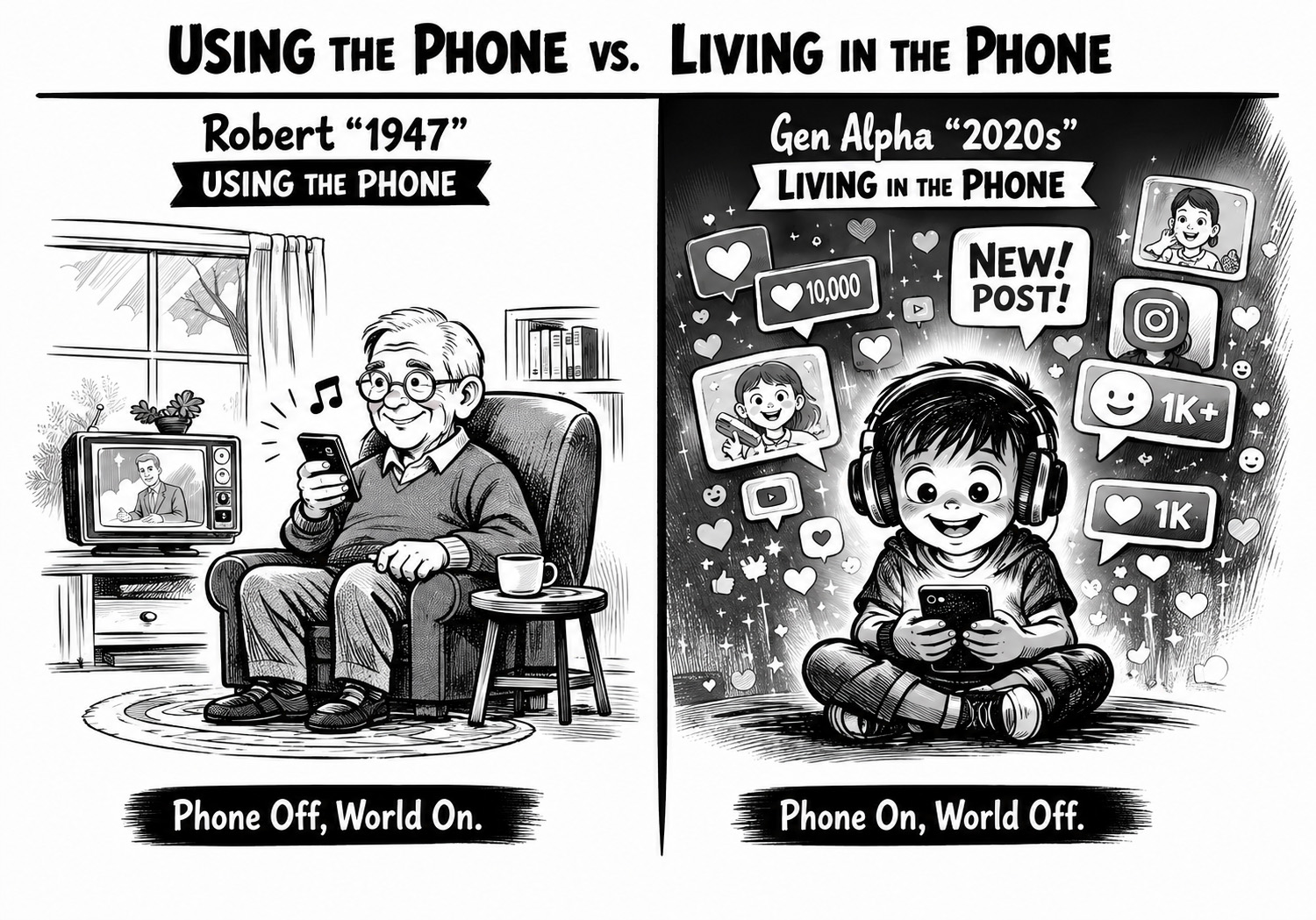
Phone use affects generations differently—older adults often use it as a tool, while younger users may experience it as an immersive, all-encompassing environment.
New book examines how chronic digital overexposure may affect the brain and offers science-based strategies to restore control.
Eugene Lipov, M.D., Explores How the Digital Environment Affects Every Generation, Reviews Brain Changes Associated With Problematic Digital Use, and Presents Evidence-Based Strategies for Recovery
Eugene Lipov, M.D., a board-certified physician, trauma researcher, and pioneer in autonomic medicine, announces the release of his new book, **Digital “Brain Rot”: Doomscrolling — Get Your Brain Back!**
The book examines the potential medical and biological consequences of chronic digital overexposure, including compulsive smartphone use, doomscrolling, social-media overstimulation, constant notifications, sleep disruption, fragmented attention, and persistent nervous-system activation. Written for a general audience, it uses easy-to-follow stories, clear explanations, and informative diagrams to make complex medical and scientific concepts understandable.
The Medical Reality Behind “Brain Rot”
Digital “Brain Rot”** is not another general wellness manifesto or collection of screen-time guidelines. It is a medical examination of how the digital environment may influence attention, sleep, emotional regulation, reward processing, stress physiology, relationships, and the ability to sustain deep thought.
The science is presented in clear, accessible language, with explanatory diagrams designed for readers without medical training.
“Brain rot may be more than a cultural expression,” said Dr. Lipov. “MRI studies have reported differences in brain regions involved in attention, reward processing, impulse control, emotional regulation, and addictive behavior among people with problematic digital-use patterns. The studies do not prove causation, but they raise important medical and public-health questions.”
A New Vocabulary for Digital Age
The book introduces several concepts/terms currently in use:
Digital stress — A chronic, low-grade biological stress response that may accumulate through sustained digital stimulation, leaving the nervous system with insufficient time to recover.
Memetic disease — A proposed mechanism through which emotionally charged ideas, images, and narratives spread rapidly through digital networks, repeatedly activating fear, anger, comparison, and threat responses across large populations.
Sleep-related inflammation — Nighttime screen exposure and compulsive scrolling can disrupt restorative sleep, impair judgment and emotional stability, and increase inflammatory activity.
The suicide connection — The book examines associations among problematic digital use, cyberbullying, sleep loss, self-harm content, psychological distress, and elevated suicide risk, particularly among adolescents, while emphasizing that association does not prove causation.
Technoference — The interruption of relationships by technology, including phone use during parenting, conversations, and family meals.
Digital dementia — A nonclinical term for concerns that excessive device dependence may weaken memory, concentration, and independent problem-solving; it is distinct from diagnosed dementia.
Slopaganda — The rapid, large-scale distribution of low-quality or AI-generated material intended to influence beliefs, emotions, or behavior.
The productivity collapse — The educational, cognitive, and economic consequences of constant interruption, reduced attention, diminished capacity for deep work, and erosion of sustained reasoning.
How Different Generations Are Affected
Infants and young children may be affected by reduced caregiver attention, disrupted bonding, and early screen exposure. Adolescents may be especially vulnerable because systems governing judgment, impulse control, emotional regulation, and reward are still developing.
Young adults may experience social comparison, sleep disruption, anxiety, and fragmented attention. Working adults may face constant interruption and disappearing boundaries between work and personal life. Older adults may encounter misinformation, isolation, compulsive news consumption, and disrupted sleep.
How Nations Are Responding
China began enacting restrictions on minors’ online gaming approximately six years ago, including nighttime limits and age-based controls. Australia has restricted social-media accounts for children under 16, while England is considering similar protections.
These measures reflect evidence that inadequate sleep may impair brain development, cognition, emotional regulation, and mental health, and may be associated with increased suicide risk among young people.
Moving Beyond Willpower and Shame
Rather than treating compulsive use as a personal failure, Dr. Lipov explains how notifications, algorithms, variable rewards, and emotional content capture attention.
Recovery strategies include reducing notifications, creating device-free periods, protecting sleep, switching phones to grayscale, keeping devices physically distant, restoring silence and boredom, rebuilding sustained attention, and establishing boundaries between digital activity and daily life.
The objective is not to eliminate technology, but to restore control.
“All psychology is biology,” Dr. Lipov said. “Anxiety without an obvious cause, sleep that never restores, and attention that fractures in the middle of a thought are not necessarily character flaws. They may reflect biological changes, and biology can be changed.”
Publication Details
**Title:** Digital “Brain Rot”: Doomscrolling — Get Your Brain Back!
**Author:** Eugene Lipov, M.D.
**Release Date:** July 24, 2026
**Formats:** Paperback, eBook, and audiobook
**Book Website:** digitalbrainrot.com
The concerns examined in the book extend beyond its pages and provide the scientific foundation for The Inaugural Digital Toxicity Awareness Day.
## Digital Toxicity Awareness Day — August 2, 2026
Dr. Lipov will host a live YouTube event on August 2, 2026, at 12:00 p.m. Central Time, along with an in-person event at 1 Oak Hill Drive, Suite 100, Westmont, Illinois. The program will address digital overstimulation, sleep disruption, attention fragmentation, and practical ways to protect the brain and nervous system.
The public can participate through **digitaltoxicityawareness.com** and use **#DigitalToxicityDay**.
## MEDIA CONTACT
Dr. Eugene Lipov is available for interviews, podcast appearances, and media commentary.
**Website:** dreugenelipov.com
**Book Website:** digitalbrainrot.com
**Awareness Day:** digitaltoxicityawareness.com
**Substack:** eugenelipovmd.substack.com
**Press Inquiries:** eugene@dreugenelipov.com
**Phone Number 312 618 0829
## ABOUT EUGENE LIPOV, M.D.
Eugene Lipov, M.D., is a board-certified anesthesiologist and pain specialist, Chief Medical Officer of Stella Mental Health, and a pioneer in stellate ganglion block for post-traumatic stress symptoms and menopausal hot flashes. He is an advocate for renaming PTSD as post-traumatic stress injury, founder of Digital Toxicity Awareness Day, and author of **The God Shot** and **Digital “Brain Rot.”**
###
Eugene Lipov
Stella Mental Health
+1 312-618-0829
eugene@dreugenelipov.com
Visit us on social media:
LinkedIn
Instagram
Facebook
YouTube
TikTok
X
Legal Disclaimer:
EIN Presswire provides this news content "as is" without warranty of any kind. We do not accept any responsibility or liability for the accuracy, content, images, videos, licenses, completeness, legality, or reliability of the information contained in this article. If you have any complaints or copyright issues related to this article, kindly contact the author above.
